Description
Special 5 Haven.
Day 1: Nairobi to Samburu Game Reserve
Early morning pick up from Nairobi, and itinerary briefing by Abana Safaris Representative. Afterwards you board your van and head North via the shoulder of Africa’s second largest mountain, Mount Kenya, making your way to the Samburu Game Reserve. Arrive at around 1300 hours in time for lunch. After lunch, check in to your camp rest and freshen-up for a while as you get ready to explore the wilderness of Samburu. Proceed for an early-evening game drive in the park famous as the place for the Samburu semi-nomadic tribesmen. Dinner and overnight.
Day 2 : Samburu Game Reserve
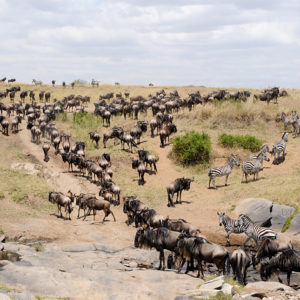
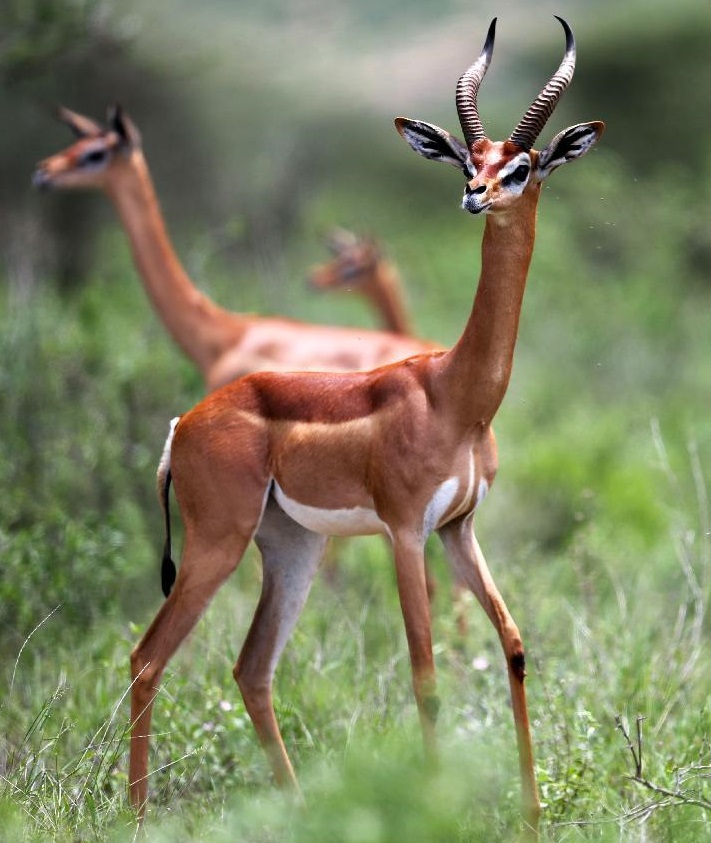
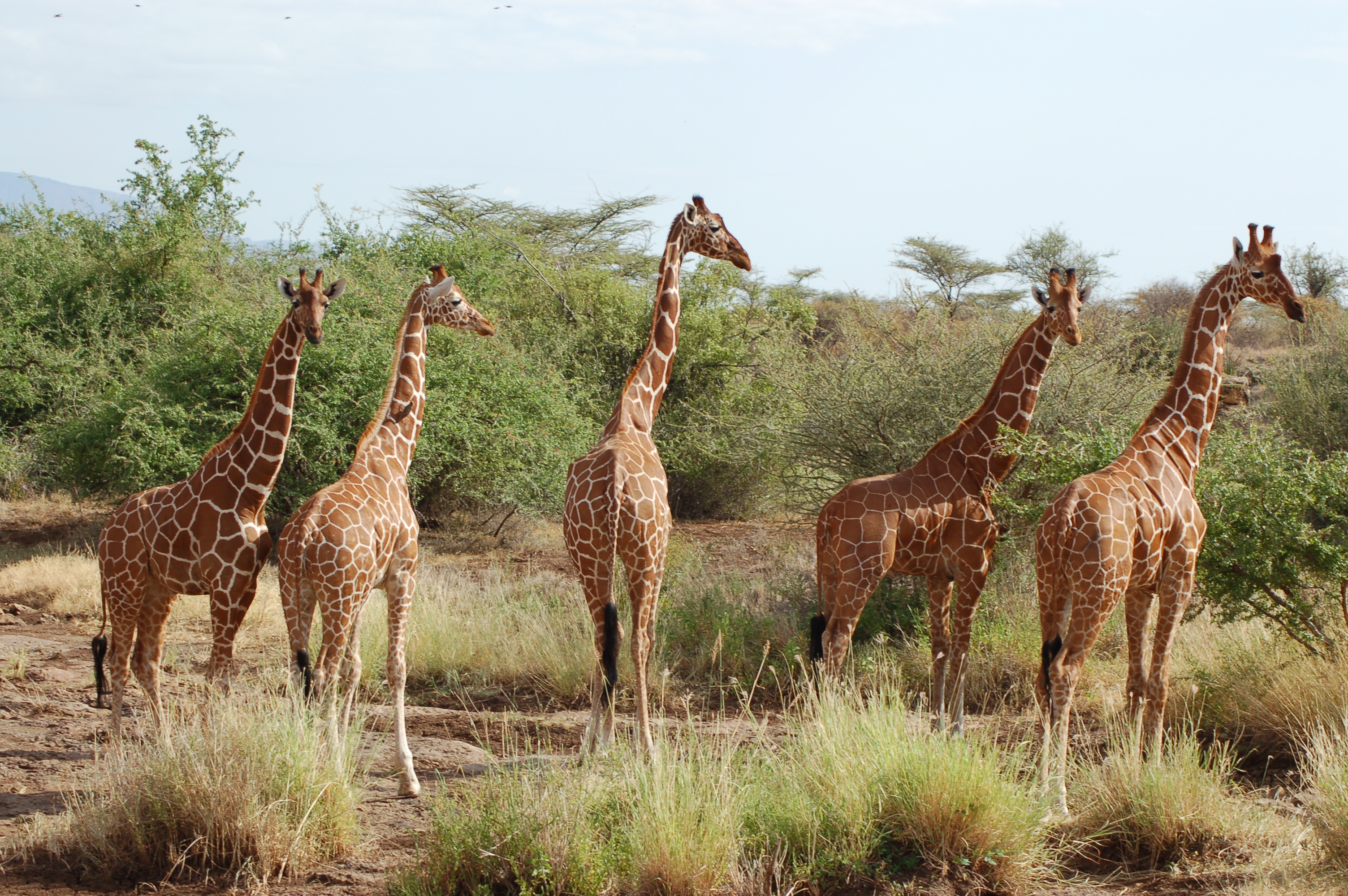
The Samburu National Reserve is the most popular park in northern Kenya. In the middle of the park flows the Ewaso Nyiro River, which slices through this otherwise bone-dry country. The river acts as a magnet to thirsty animals and large numbers of elephants, Grevy’s zebras, giraffes and lions gather along the riverbanks. This park is home to the popular special five. These are the gerenuk, Grevy’s zebra, Beisa oryx , Maasai ostrich and reticulated giraffe, which are only found here.
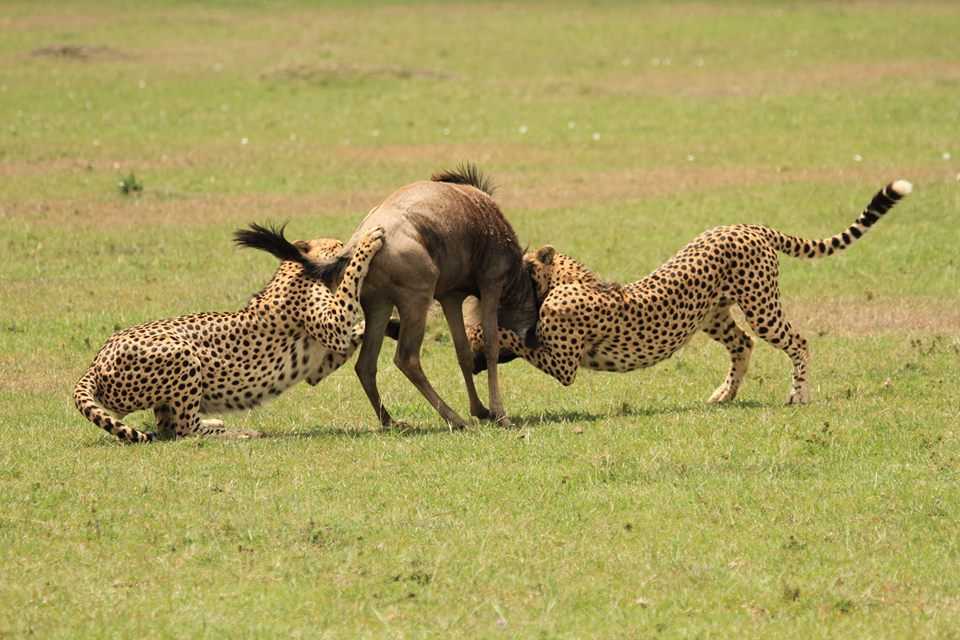
All three big cats here namely the Masai lion, Tanzanian cheetah and leopard can also be found here, as well as the elephant, Cape buffalo and Hippopotamus. The Samburu National Reserve is also the home of Kamunyak, a lioness famous for adopting oryx calves.
Other mammals frequently seen in the park include olive baboon, warthogs, Grant’s gazelle, Kirk’s dik-dik, impala, and waterbuck. Sadly, the rhinoceros population is no longer present in the park due to heavy poaching.
There are over 350 species of bird. These include grey-headed kingfisher, sunbirds, bee-eaters, Marabou stork, tawny eagle, Verreaux’s eagle, bateleur, vulturine guineafowl, yellow-necked spurfowl, lilac-breasted roller, secretary bird, superb starling, northern red-billed hornbill, yellow-billed hornbill, and various vultures including the palm-nut vulture.
In the environs of the park are the Samburu people. Also referred to as “Lokop or Loikop” which means owners of the land .The Samburu are a Nilotic people of north-central Kenya that are related to but distinct from the Maasai. The Samburu herd mainly cattle but also keep sheep, goats and camels. The Samburu speak Samburu, which is a language. The Samburu Men wear a cloth which is often pink or black and is wrapped around their waist in a manner similar to a Scottish Kilt. They adorn themselves with necklaces, bracelets and anklets. Members of the Moran age grade typically wear their hair in long braids, which they shave off when they become elders. It may be colored using red ochre. Their bodies are sometimes decorated with ochre, as well. Women wear two pieces of blue or purple cloth, one piece wrapped around the waist, the second wrapped over the chest. Women keep their hair shaved and wear numerous necklaces and bracelets. Nevertheless, this mode of dressing has evolved over the years though the way of life is held intact.
Day 4: Nairobi
After breakfast you will depart your way out of Samburu national reserve and drive back to Nairobi with lunch en route.
The cost include
- Accommodation for three nights on full board basis
- Shared transport throughout the safari with exclusive use off the vehicle.
- Services of a professional guide
- Park entrance fees
- Visit to the Samburu cultural village.
- Complimentary 500 ml bottle of water
The cost excludes
- Personal items like telephone, laundry…
- Anything else not mentioned above
based on 7 pax on safari